
Stopping timber swelling and sagging
Leave 10 mm to 12 mm meeting-stile expansion clearance, run compression braces upward from the bottom hinge, seal all four edges including end grain, and fit adjustable hinges or a steel inner frame on wide solid driveways.
Practical Irish joinery rules for moisture movement, compression braces, end-grain sealing and adjustable hanging ironwork.
Free, no obligation. One local fitter prices it, not five.
- 12 mmtarget summer shut-edge stile gap
- 50–75 mmsplash clearance off wet ground
- Low to highcorrect compression brace slope
- 12–16%ideal outdoor joinery moisture

Why Irish damp makes timber gates swell, twist and drop
Outdoor wood in Ireland cycles between roughly 12% moisture content during dry May easterlies and 18% to 20% through wet Atlantic winters. Across a 1.5 m solid boarded wing, that humidity swing can widen unsealed softwood by 8 mm to 14 mm across the grain. Good gate makers engineer that movement into the gaps and hardware rather than fighting nature.
Gate scrapes gravel at lock end
- Root mechanical cause
- Gravity sag or upside-down brace
- Permanent workshop or site fix
- Fit adjustable eye-bolt hinges and reverse brace from bottom hinge up
Leaf jams tight in November
- Root mechanical cause
- Cross-grain winter swelling
- Permanent workshop or site fix
- Leave 12 mm total side clearance and seal all four edges with UV oil
Top corners twist out of alignment
- Root mechanical cause
- Single-sided sun/shade drying
- Permanent workshop or site fix
- Use kiln-dried heartwood or switch to a galvanised steel inner frame
Soft flaky rot along bottom edge
- Root mechanical cause
- Ground splash-back & blind grooves
- Permanent workshop or site fix
- Lift gate 50 mm to 75 mm clear of tarmac/gravel and bevel bottom rail
Check how breathable finishes slow moisture swings on UV oil vs wood stain and inspect steel skeletons on steel-framed wooden gates.
Price my wooden gate
Four quick taps show our Irish timber gate price before we ask for a number. One local fitter rings you, not five.
Steel-framed timber gates, about 3 m wide, manual: €2,800 to €5,600, supplied and fitted.
How the wooden gate price is worked out
The range reflects going Irish supply-and-fit timber gate rates for that species, opening width and operation. Manual figures cover the made-to-measure leaves, galvanised or stainless hanging ironwork, latches and fitting between sound piers or hanging posts. Electric options add wind-rated motors, photocells and handsets. New masonry piers, buried timber posts, factory UV oiling and SWA power trenching depend on your entrance and are itemised after a look. Ask whether VAT applies at 13.5% or 23%.
Five ways to keep wooden gates swinging smoothly year-round
- Check diagonal brace direction immediately. A timber brace works in compression: its lower end must sit against the bottom hinge stile and rise diagonally to the upper latch corner. A brace running top-hinge down to bottom-latch pulls apart under load.
- Leave expansion room inside every tongue-and-groove run. Fitting dry summer boards bone-tight with zero 2 mm to 3 mm expansion play forces the whole panel to bow or burst the outer stiles once winter humidity peaks.
- Install adjustable threaded hinge hooks. Standard welded pin hooks give zero room for tweak; threaded eye bolts let you wind the top hinge in 6 mm in two minutes if a heavy pier or timber post settles slightly.
- Seal concealed top and bottom end grain before hanging. Timber draws moisture up to ten times faster through exposed end grain than across face grain; two coats of end-grain sealer block seasonal swell dramatically.
- Fit a centre ground stop and drop bolt on double pairs. Leaving heavy wooden leaves unlatched lets wind slam them unevenly and rack the frames out of plane.
If your existing posts lean inward under leaf weight, read posts and ground clearance before re-hanging.
More timber gate guides
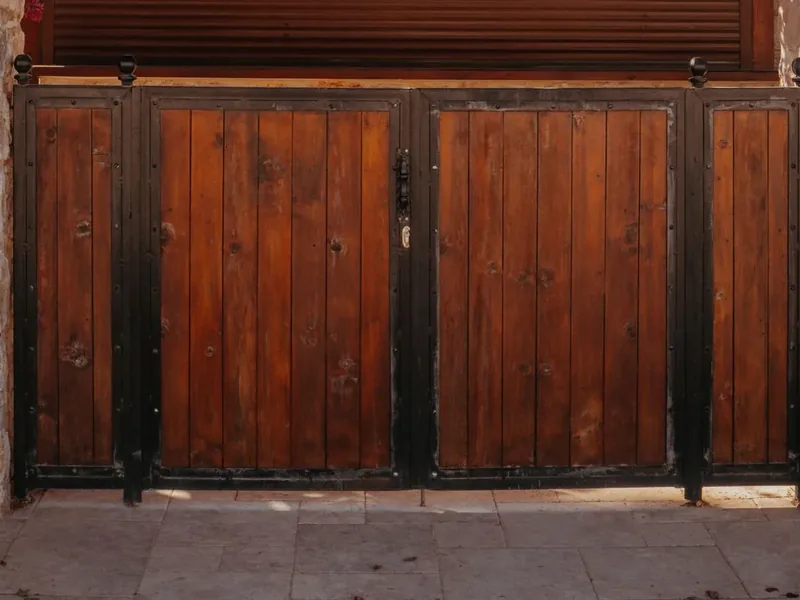 Steel-framed wooden gatesGalvanised box-section inner steel frames that stop boards sagging.
 Mortise-and-tenon joineryWhy wedged tenons, hardwood dowels and drainage rebates outlast screws.
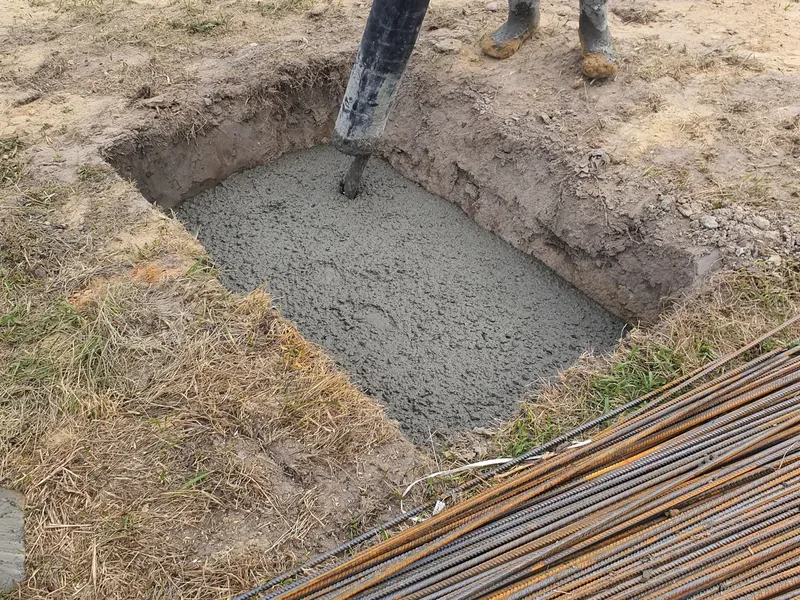 Posts and ground clearanceConcrete depths, UC4 pine vs oak posts and 50 to 75 mm splash gaps.
 UV oil vs wood stainChoosing breathable exterior oil, microporous stain or natural silvering.
 Timber hinges and locksHook-and-band straps, adjustable field hooks and A4 stainless fasteners.
 Treated softwood gatesPressure-treated Scandinavian red deal driveways and garden passages.
Swelling and sagging questions
How much gap should sit between double wooden driveway gates?
Leave 10 mm to 12 mm between the meeting stiles when hanging dry summer timber, plus 6 mm to 8 mm on each hinge edge, so winter swelling never jams the central rebate.
Can a sagging wooden gate be lifted without replacing the whole leaf?
If the frame joints are still solid, fitting adjustable threaded hinge eyes or a diagonal steel anti-sag tension cable can pull the nose back level. Once tenons have rotted soft, replacement is safer.
Which direction should the Z-brace run on a wooden side gate?
Always from the bottom corner next to the lower hinge rising diagonally upward toward the top latch corner.
Why does a timber gate warp after one sunny week following wet rain?
Direct sunlight dries the south face while the shaded rear face stays damp, bending the leaf. Coating both faces equally and sealing top and bottom edges keeps drying balanced.
Every timber gate page and guide
Timber gate types
Joinery & care guides
Prices, rules & counties
Build gates engineered not to sag
Compare rigid mortise-and-tenon hardwood and steel-framed timber prices in four taps.